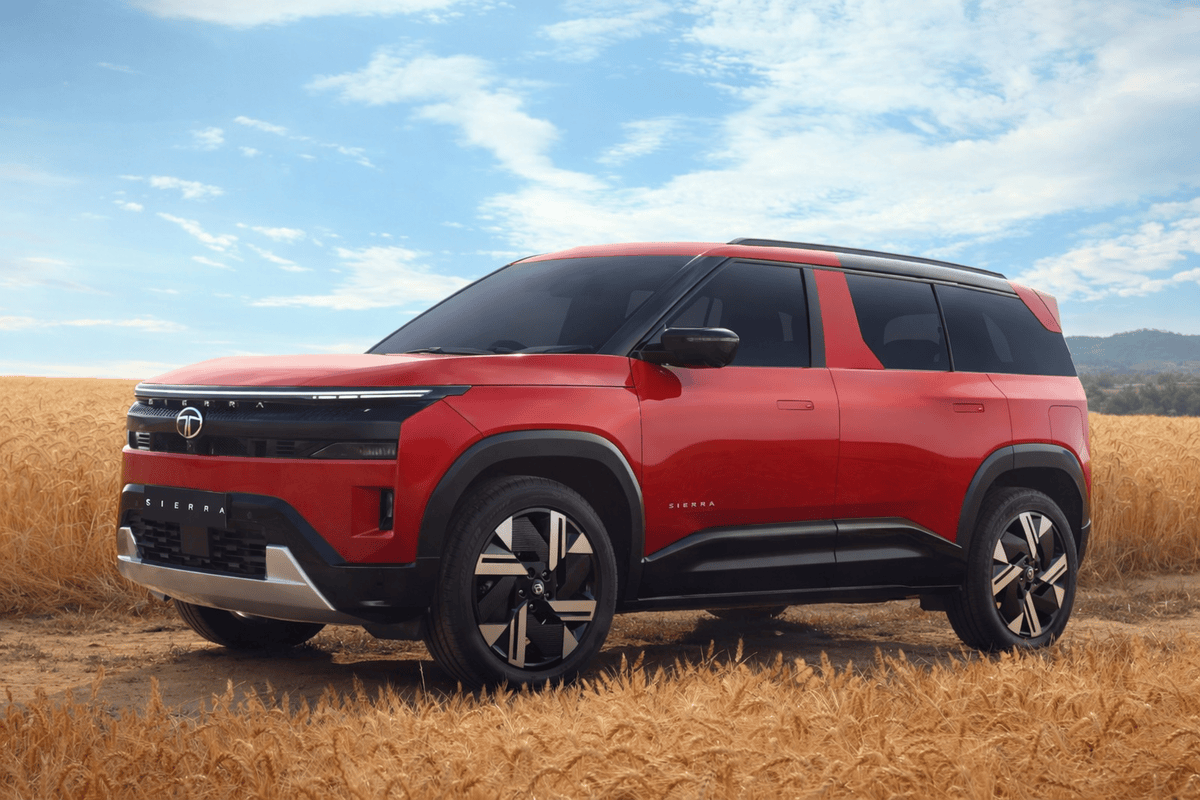
Tata Sierra 1.5 Petrol Review time — and let’s get the obvious out of the way: this is the “comfort-first” Sierra. The most affordable way into the nameplate, and also the one that asks you to make peace with slow speed build-up.
Diesel is still the easy default for a big SUV. But the 1.5 NA petrol exists for one reason: price access. Tata wants people upgrading from compact SUVs to look at the Sierra and say, “Yeah, I can stretch to that.”
So the real question isn’t “is it powerful?” (it’s not). The question is: is the rest of the Sierra experience strong enough that you’ll forgive the engine?
Key Highlights
- Entry point Sierra: This NA petrol is what makes the Sierra range feel financially reachable.
- Refinement is genuinely impressive: Easy-going, low-stress, quiet when driven normally.
- Performance is the trade-off: 0–100 km/h is 17.34s (manual), and the automatic is even more relaxed.
- Ride comfort is a big flex: The setup with smaller wheels + tall tyres works brilliantly on rough roads.
- City-friendly for its size: Tight turning circle makes daily maneuvering less intimidating than you’d expect.
The 1.5L NA Petrol: why it feels “flat” when you push
On paper, it’s 106hp and 145Nm — which is… fine for a smaller car, but this is an SUV that’s around the 1.4-tonne mark.
The bigger detail is how this engine is tuned: it runs an Atkinson cycle, which is typically used to chase efficiency. In hybrid cars, the electric motor fills the torque gap. Here, there’s no motor to save you (at least in this version), so when you demand quick progress, it feels like the engine is politely saying: “Give me time.”
Real-world feel:
- In the city, it’s acceptable because torque comes in early and you’re usually part-throttle anyway.
- On highways, overtakes become a planning exercise. The manual does 0–100 km/h in 17.34s, which tells you everything about urgency.
Manual vs DCA: smoothness wins, speed loses
You get two gearboxes: 6-speed manual and 7-speed DCA (dual-clutch automatic).

6-speed Manual
This is the version that suits the engine best. It’s light, easy, and feels like Tata spent time getting the basics right — clutch effort, shift action, the lot.
7-speed DCA
The DCA is smooth… but it’s also the one that makes the car feel more relaxed than you might want. If you drive gently, you’ll like it. If you try to hustle, you’ll notice pauses and slower responses. Paddle shifters help, but they feel more like a “keep it awake” tool than a fun feature.
Ride, handling, and city maneuverability: this is where the Sierra shines
Here’s the part that matters: the Sierra’s comfort game is strong.
Lower variants like Adventure+ run 17-inch wheels with higher-profile tyres, and that combo is just better for India. Sharp edges get rounded off, potholes feel less dramatic, and it stays composed over broken patches.
Handling-wise, it stays stable, doesn’t feel floaty, and body control is better than you expect from something tall and family-focused. Steering isn’t “talkative,” but it’s light and accurate enough for daily use.
And yes — the tight turning circle is a legit advantage when you’re squeezing into tight lanes or parking spots.
Exterior + cabin: the premium feel is real
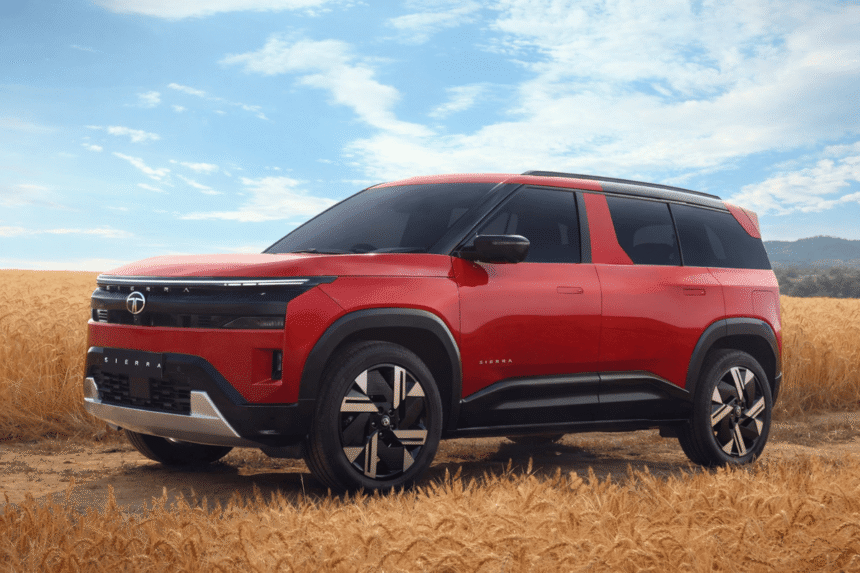
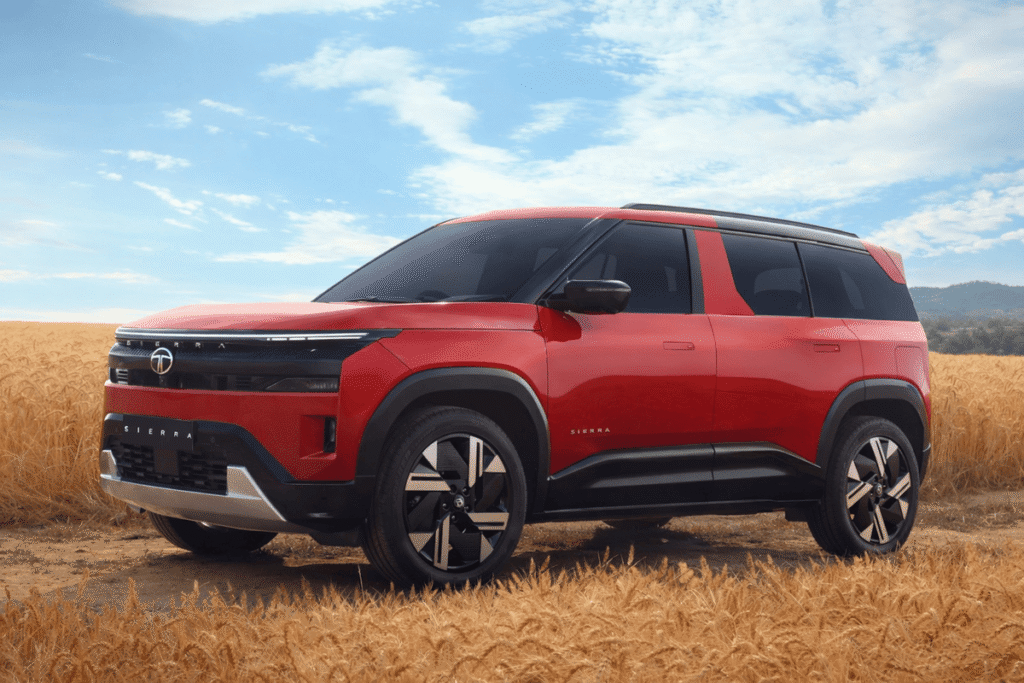
Design is doing heavy lifting here — it looks like a modern Sierra that still nods to the original vibe.
Inside, this is one of Tata’s best cabins yet in terms of materials, fit-finish, and overall “feel-good” factor. Even in Adventure+ (not the top trim), you still get the dual-screen layout, a sharp touchscreen experience, and a 360-degree camera that’s genuinely usable.
Rear seat comfort is also a standout: legroom, under-thigh support, seating position — this is the kind of SUV that makes sense if you’re often carrying family in the back.
Small irritations exist (because of course they do), like storage solutions that don’t hold your phone properly when you’re cornering or braking.
Ownership reality checks (the stuff you only notice daily)
Two “real life” points you should know:
- Auto start-stop can be inconsistent in traffic — annoying when it doesn’t behave predictably.
- Fuel efficiency display quirk: the MID readout may not show figures below a certain point, which can hide how bad stop-go mileage gets.
Final Verdict
If you’re buying the Sierra for design + comfort + cabin quality + rear seat experience, this 1.5 NA petrol variant delivers a lot of the Sierra “vibe” at the lowest entry point.
But if you expect strong highway punch — especially with a full load — this isn’t the one. The car is refined and relaxed, not quick.
Who should buy it:
- City-heavy users who want a premium-feeling SUV, value comfort, and don’t chase quick overtakes.
Who should avoid it:
- Highway-heavy families, enthusiastic drivers, and anyone who hates planning overtakes.
TurboVeda take: If you love the Sierra but want the driving to match the rest of the car, stretching to the stronger powertrain options will feel more satisfying long-term.