
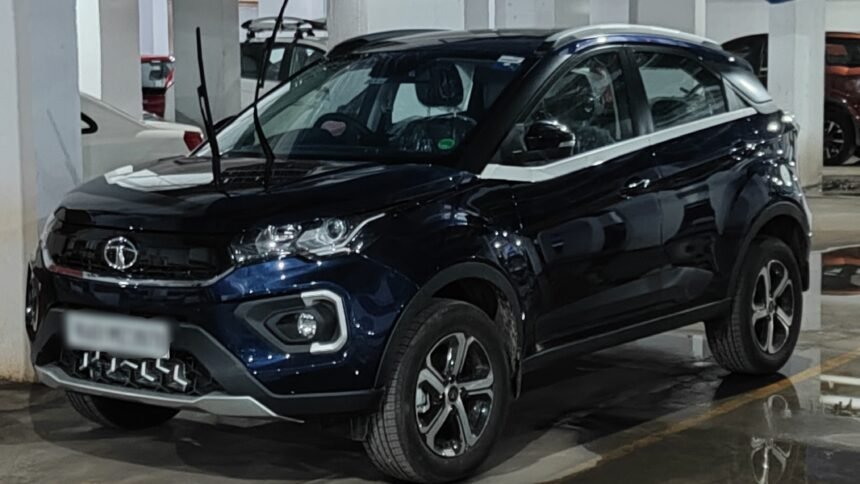
Short answer: if you can charge at home and drive mostly in the city, an EV will save you the most money in 2026. If you cover long highway distances and want zero range anxiety, a strong hybrid is the smarter pick. And if your budget is tight and there’s a CNG pump near you, CNG still beats both on cost-per-rupee-spent. The catch is that the “best” choice flips completely depending on three things: where you park, how far you drive, and which state you register the car in.
- The 30-second verdict
- What each one actually costs to run per km
- Upfront price and the 2026 tax reality
- The honest case for each — and who should skip it
- CNG: the value buy that refuses to die
- Strong hybrid: the no-compromise middle path
- EV: cheapest to run, if the setup fits
- A decision framework that actually works
- Resale and the long game
- Best picks by budget in 2026
- Frequently asked questions
- Is an EV cheaper than CNG to run in India?
- Do strong hybrids get the 5% EV GST rate?
- Which is best for a long highway commute?
- Will an EV save money if I sell in two years?
- The bottom line
- Related reading
That last point surprises most buyers. A strong hybrid that makes financial sense in Mumbai can be a poor deal in Delhi, purely because of how the 2026 road-tax rules differ. We’ll get into the numbers, but here’s the at-a-glance verdict first.
The 30-second verdict
| If this is you… | Buy this | Why |
|---|---|---|
| Home/society charging + city commute under 60 km/day | EV | Running cost near ₹1.5/km, 5% GST, big road-tax waivers |
| Frequent highway runs, no charging at home | Strong hybrid | 22–28 kmpl, refuel anywhere, no range planning |
| Tight budget, CNG pump nearby, city driving | CNG | Lowest upfront price, ~₹3.5/km, proven tech |
| Mixed use, can’t decide, want resale safety | Strong hybrid | Most forgiving of all three for the average Indian buyer |
What each one actually costs to run per km
Running cost is where the three diverge most. Using mid-2026 pump prices (petrol around ₹104/litre, CNG around ₹87/kg) and typical real-world efficiency, here’s the per-kilometre maths.
| Powertrain | Real-world efficiency | Cost per km | Monthly fuel/energy (1,500 km) |
|---|---|---|---|
| Petrol (baseline) | 15 km/l | ~₹6.9 | ~₹10,350 |
| CNG | 25 km/kg | ~₹3.5 | ~₹5,250 |
| Strong hybrid | 24 kmpl | ~₹4.3 | ~₹6,450 |
| EV (home charging) | — | ~₹1.5 | ~₹2,250 |
| EV (public fast charging) | — | ~₹3.5–4 | ~₹5,250–6,000 |
Notice what the EV row really says. An EV is only the runaway winner if you charge at home. Lean on public fast chargers and your per-km cost climbs to roughly CNG territory, minus the convenience of a two-minute refill. This single line is where a lot of EV buyers feel let down a year in, and it’s the question to settle honestly before you sign anything.
Upfront price and the 2026 tax reality
Running cost is half the story. The other half is what you pay to drive off the lot, and here the tax structure does a lot of the heavy lifting.
- EVs are taxed at just 5% GST. Several states stack road-tax waivers on top. Delhi’s draft 2026 policy proposes a 100% road-tax exemption on EVs priced up to ₹30 lakh; Telangana waives road tax and registration entirely until 31 December 2026; Maharashtra adds per-kWh incentives.
- Strong hybrids get no GST break. They attract 28% GST plus 15% cess (about 43% effective), the same as a regular petrol car. Some states are softening this: Delhi’s draft policy offers a 50% cut in road tax and registration for strong hybrids up to ₹30 lakh, which is why a hybrid’s value depends heavily on your state.
- CNG carries normal ICE taxation but starts from the lowest sticker prices in the market, so the out-the-door figure stays small.
Translation for your wallet: an EV costs more to build but the government claws a big chunk back through tax. A hybrid asks for a ₹2–4 lakh premium over the petrol version and, in most states, gives you little tax relief to offset it. You earn that premium back through fuel savings over years, not months.
The honest case for each — and who should skip it
CNG: the value buy that refuses to die
CNG keeps winning the math for budget-conscious city drivers. The Tata Punch CNG, Maruti Fronx CNG, and Tata Nexon CNG sit between roughly ₹6.75 lakh and ₹8 lakh, undercutting almost every hybrid and EV. You refuel in minutes and the technology is well understood by every roadside mechanic.
More EV News

Skip CNG if your city has thin pump coverage and you hate queues, or if boot space matters to you — the cylinder eats into it, even on the newer twin-cylinder layouts that have clawed some back. Performance also dips noticeably when you switch to gas.
Strong hybrid: the no-compromise middle path
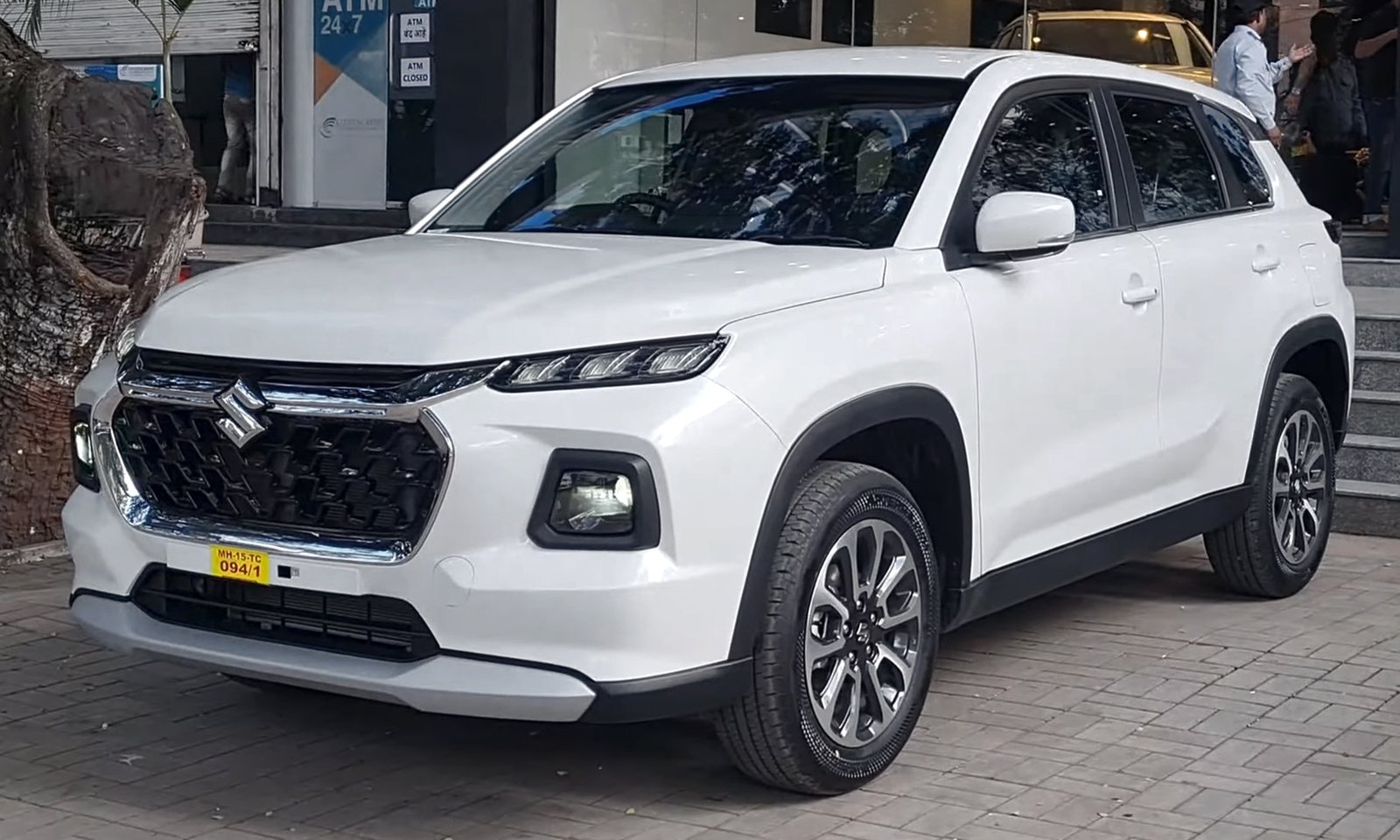
For the buyer who wants efficiency without rethinking how they travel, a strong hybrid is hard to beat. The Maruti Grand Vitara and Toyota Urban Cruiser Hyryder return 24–28 kmpl in real driving, the Honda City Hybrid pairs that economy with genuine refinement, and the Innova Hycross brought the tech to seven-seaters. You never plan a route around chargers and you never sweat a 600 km day.
The price premium is the sticking point. In states with no hybrid tax relief, the maths only works if you keep the car five-plus years and drive enough to bank the fuel savings. Low-mileage owners rarely recover the difference.
EV: cheapest to run, if the setup fits
When the conditions line up, nothing else comes close on cost. The Tata Tiago EV and Punch EV make electric ownership accessible from under ₹10 lakh, the Maruti e Vitara brings a mainstream badge to the mid segment, and the Mahindra BE 6 and XEV 9e have pushed performance and range upmarket. Charge at home overnight on a slab tariff and your per-km cost is a fraction of everything else, with the lowest GST and the fattest state incentives on top.
The honest disqualifiers: no home or society charging point, regular intercity travel beyond comfortable range, or a plan to sell within three years, since EV resale values are still finding their feet.
A decision framework that actually works
Forget the brochures for a minute and answer these in order. The first “no” usually points you to your answer.
- Can you charge where you park, every night? If yes, an EV is on the table and likely your cheapest option. If no, cross EV off unless you genuinely enjoy public charging.
- Do you regularly drive more than 150 km in a stretch? If yes, lean hybrid (or CNG) for the refuel-anywhere freedom.
- Is the lowest possible price the priority? If yes, and a CNG pump is convenient, CNG wins on day one and most days after.
- Which state will the car be registered in? Check your state’s 2026 road-tax and registration rules before you finalise — they can swing the EV-vs-hybrid decision by a lakh or more.
Resale and the long game
Five-year ownership, not the showroom price, is where these choices are really decided. Hybrids currently hold value best because the used market trusts the technology and there’s no battery-replacement anxiety. CNG resale is steady and predictable. EV resale is the wildcard: fast-improving batteries make older EVs look dated quickly, though stronger warranties and a maturing used-EV market are slowly steadying prices. If you flip cars every two or three years, that uncertainty is a real cost, not a footnote.
Best picks by budget in 2026
- Under ₹10 lakh: Tata Punch CNG or Tata Tiago/Punch EV (if you can charge at home).
- ₹10–16 lakh: Maruti Grand Vitara or Toyota Hyryder strong hybrid; Maruti e Vitara if you’re going electric.
- ₹16–22 lakh: Mahindra BE 6 or XEV 9e for EV performance; Honda City Hybrid for a refined sedan.
- Seven-seater need: Toyota Innova Hycross strong hybrid remains the default for long-distance families.
Frequently asked questions
Is an EV cheaper than CNG to run in India?
Only if you charge at home. Home-charged EVs run at roughly ₹1.5/km versus about ₹3.5/km for CNG. If you depend on public fast chargers, EV running cost rises to ₹3.5–4/km, level with or above CNG.
Do strong hybrids get the 5% EV GST rate?
No. Strong and mild hybrids are taxed like petrol cars — about 28% GST plus 15% cess. Only pure electric vehicles qualify for the 5% GST rate in 2026.
Which is best for a long highway commute?
A strong hybrid. You get 22–28 kmpl, refuel in minutes anywhere, and never plan around charger availability. CNG is a budget alternative if pumps are reliable on your route.
Will an EV save money if I sell in two years?
Probably not. EV resale values are still volatile, and short ownership doesn’t give fuel savings enough time to offset the higher purchase price. A hybrid or CNG car is the safer short-hold choice.
The bottom line
India in 2026 isn’t a one-fuel country anymore — electrified vehicles already make up around 30% of new sales, and the right answer genuinely depends on your life, not on which technology is trending. Match the powertrain to how and where you actually drive, check your state’s tax rules before you commit, and the decision gets a lot simpler than the internet makes it look.
Related reading
- EV Home Charging in India 2026: Cost & Setup
- Tata Harrier EV vs Mahindra BE 6 vs XEV 9e
- Best 7-Seater Cars in India 2026