


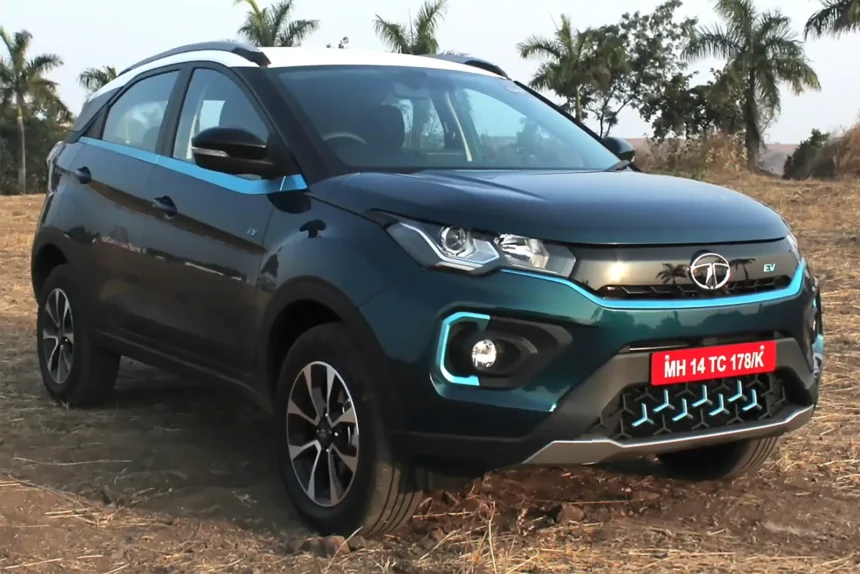
Short answer: for most Indian family buyers in 2026, the Tata Nexon EV 45 is the safest and most rounded affordable electric SUV choice. The MG Windsor EV Pro is better if cabin space, rear-seat comfort and features matter more than SUV styling, while the Mahindra XUV400 only makes strong sense if you get a meaningful dealer discount or want its punchy performance.
- Price comparison: which EV gives the most car for the money?
- Range: Nexon EV 45 is the easiest recommendation
- Charging: all three are manageable, but home charging is key
- Features and cabin experience
- Safety: Nexon EV and XUV400 have the rating advantage
- Decision framework: which one should you buy?
- Who should skip each car?
- Final verdict
- Frequently asked questions
These three do not play the same game. The Nexon EV is a compact SUV with the broadest Tata EV ecosystem, the XUV400 is an older but quick electric SUV, and the Windsor is technically a crossover-MPV but priced right in the same shopping list. Prices and specs below are based on available India-market information in June 2026; on-road prices will change by city, insurance, dealer offers and whether your state waives road tax.
Price comparison: which EV gives the most car for the money?
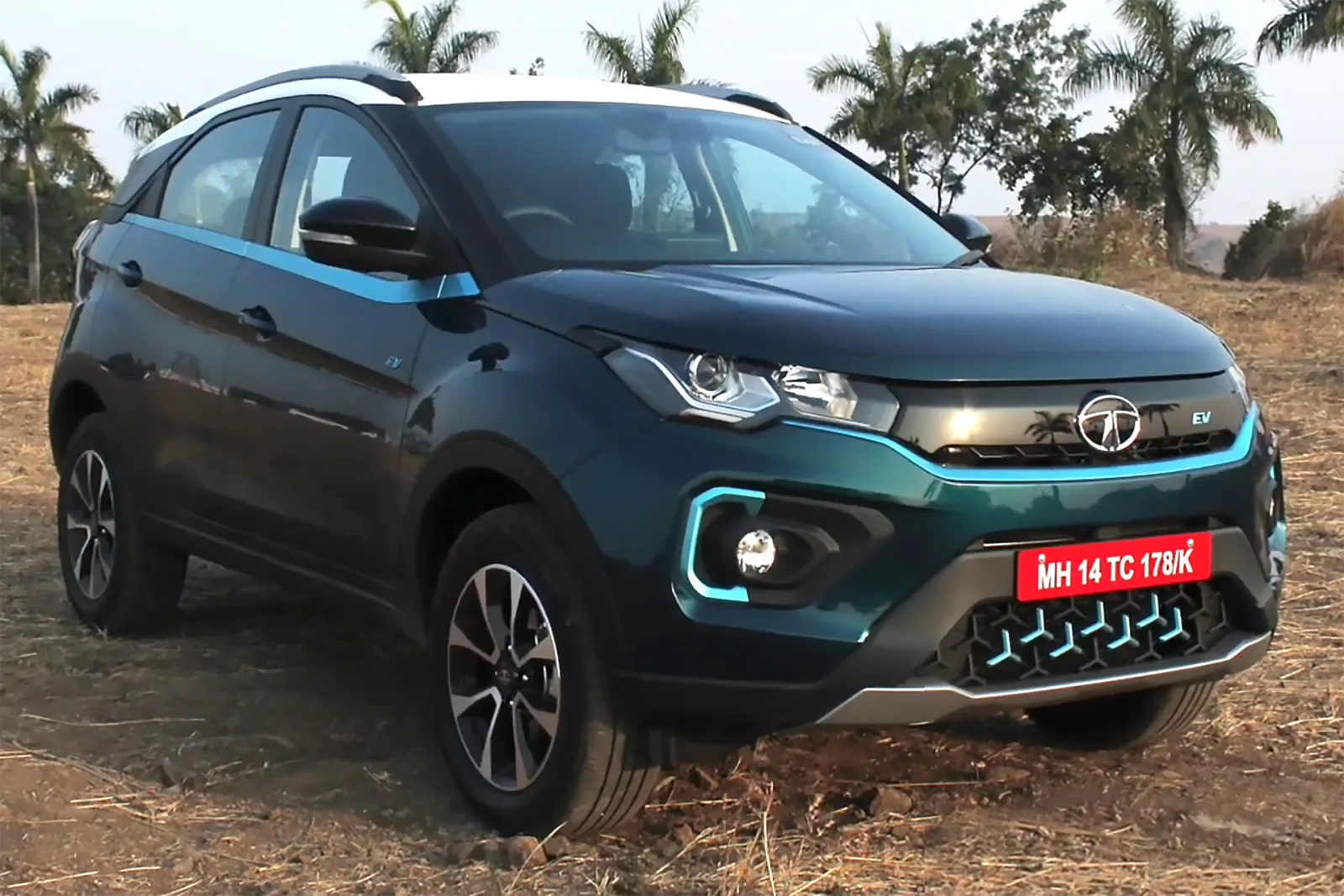
The Tata Nexon EV currently starts around ₹12.49 lakh and goes up to about ₹17.49 lakh, ex-showroom, with 30 kWh and 45 kWh battery options. The Mahindra XUV400 is listed around ₹15.49 lakh to ₹17.69 lakh, ex-showroom, while the MG Windsor EV is roughly ₹14.10 lakh to ₹18.60 lakh with battery included; MG also offers Battery-as-a-Service, where the sticker price drops but you pay a per-km battery rental.
This is where buyers must be careful. A Windsor BaaS quote can look cheaper than a Nexon EV, but it is not a like-for-like purchase because the battery rental continues with usage. For low-mileage city owners, BaaS may still work. For 1,500-2,000 km a month users, compare the lifetime outgo, not just the down payment.
There is no central purchase subsidy for private electric cars under the current PM E-DRIVE structure, but EVs continue to benefit from 5 percent GST and many states offer lower or zero road tax compared with petrol or diesel cars. A January 2026 CSEP policy note also points out that PM E-DRIVE excludes e-cars, while highlighting the lower 5 percent GST treatment for EVs.
| Model | Approx ex-showroom price | Battery options | Claimed range | Best-fit variant |
|---|---|---|---|---|
| Tata Nexon EV | ₹12.49 lakh-₹17.49 lakh | 30 kWh, 45 kWh | 275 km, up to 489 km | Creative 45 or Empowered 45 |
| Mahindra XUV400 | ₹15.49 lakh-₹17.69 lakh | 34.5 kWh, 39.4 kWh | 375 km, up to 456 km | EL Pro 39.4 kWh |
| MG Windsor EV | ₹14.10 lakh-₹18.60 lakh with battery | 38 kWh, 52.9 kWh | 331-332 km, up to 449 km | Exclusive Pro 52.9 kWh |
Range: Nexon EV 45 is the easiest recommendation
On paper, the Tata Nexon EV 45 has the strongest claimed range among these three at up to 489 km, while Tata’s own near-real-world C75 estimate for the 45 kWh version is around 350-370 km. Autocar India’s range coverage also notes the same 350-370 km C75 band for the Nexon EV 45, which is a useful figure for Indian buyers because it is closer to mixed city-highway use than a lab number.
The MG Windsor EV Pro has the biggest battery here at 52.9 kWh and a certified range of 449 km. The standard Windsor 38 kWh is rated around 331-332 km, and CarDekho’s real-world test of the 38 kWh Windsor returned about 260 km. The Pro should go meaningfully farther, but until you test your own usage pattern, it is wiser to budget for a real-world figure well below the official 449 km number.
More EV News
The XUV400’s 39.4 kWh pack is claimed at up to 456 km, while the smaller 34.5 kWh version is claimed at 375 km. Independent real-world figures have generally been lower: Autocar India lists about 251 km on a mixed cycle for the 39.4 kWh XUV400, while CarWale’s older road test recorded around 282 km. That means the Mahindra has enough range for daily use, but it is not the range leader in 2026.
Charging: all three are manageable, but home charging is key
If you cannot install a home charger, think hard before buying any EV. Public chargers are improving, but the best EV ownership experience in India still comes from plugging in at home overnight, especially if your daily run is predictable.
The Nexon EV supports 60 kW DC fast charging and Tata lists a 10-80 percent charge time of around 40 minutes. With a 7.2 kW AC wall box, Tata quotes 10-100 percent in around 6 hours 36 minutes for the Nexon EV.
The XUV400 is also practical at home: CarDekho lists 7.2 kW AC charging at about 6 hours 30 minutes for 0-100 percent, and 50 kW DC charging at about 50 minutes for 0-80 percent. The MG Windsor supports 60 kW fast charging on higher battery versions and is also offered with AC charging options; exact home-charge time will depend on variant and charger rating.
For Indian road trips, the Nexon EV has one practical advantage: Tata EVs are common, so workshops and charger familiarity are better in many cities. MG’s network is improving and Windsor sales have been strong, but the car is newer. Mahindra’s XUV400 support depends heavily on your local dealer’s EV readiness.
Features and cabin experience
The Windsor wins the cabin round. Its biggest strengths are the airy interior, 15.6-inch central screen, reclining rear seats, panoramic glass roof on higher variants, 9-speaker Infinity audio on select trims and a lounge-like rear bench. The Pro variants add the larger 52.9 kWh pack, Level 2 ADAS on the top Essence Pro, V2L/V2V capability and, on some variants, features such as a powered tailgate.
The Nexon EV feels more conventional but also more SUV-like. Higher variants get features such as a larger touchscreen, digital cluster, ventilated seats depending on trim, connected-car tech, sunroof options, V2L/V2V on relevant versions and ADAS on select top-end 45 kWh variants introduced later in the model cycle. Tata has also standardised key safety equipment such as six airbags across the Nexon EV range.
The XUV400 improved after the Pro update with twin 10.25-inch screens, wireless smartphone connectivity, dual-zone climate control, rear AC vents, wireless charging on higher variants and a sunroof. Still, compared with the Nexon EV and Windsor, the Mahindra’s basic cabin architecture feels older. The driving experience is lively, though, thanks to its 310 Nm torque output.
Safety: Nexon EV and XUV400 have the rating advantage
The Nexon EV and XUV400 both have a strong safety argument. The Nexon EV received a 5-star Bharat NCAP rating, and the rating was later extended to the newer 45 kWh variants. The XUV400 also secured a 5-star Bharat NCAP rating.
The MG Windsor EV has a long feature list and six airbags, but as of the latest available India-market information, it does not have a published Bharat NCAP or Global NCAP crash-test rating. For many buyers, that alone will tilt the decision toward Tata or Mahindra.
Decision framework: which one should you buy?
Buy the Tata Nexon EV 45 if you want the safest middle path. It has strong real-world range, 5-star Bharat NCAP credentials, compact dimensions for Indian cities, a mature EV user base and enough features without feeling experimental. The Creative 45 looks like the value pick if you mainly want range; the Empowered or ADAS-equipped top variants suit buyers who want more tech.
Buy the MG Windsor EV Pro if your car is mostly used by family members in the rear seat. It is spacious, comfortable and feature-rich for the money. It is especially tempting if you were considering a compact SUV but actually need a more relaxed second-row experience. Pick the 52.9 kWh Pro if your budget allows; the 38 kWh version is best for city-first users.
Buy the Mahindra XUV400 if you like strong acceleration, want a 5-star Bharat NCAP-rated EV and are getting a good real-world deal. Its official price is close to newer rivals, so negotiate hard. If the discount is small, the Nexon EV 45 or Windsor Pro will usually feel fresher.
Who should skip each car?
- Skip Nexon EV if you need a very wide rear seat or dislike Tata’s uneven service experience in your city. Do a service-centre check before booking.
- Skip XUV400 if you want the latest cabin, best range-per-rupee or a clean-sheet EV feel. It is quick, but the package is ageing.
- Skip Windsor EV if a published crash-test rating is non-negotiable, or if you want a traditional SUV stance and high-speed ride confidence over lounge-like comfort.
Final verdict
The Tata Nexon EV 45 is our pick as the best affordable electric SUV in India in 2026 because it balances price, range, safety, charging and city usability better than the other two. The MG Windsor EV Pro is the smarter family cabin choice and possibly the better chauffeur-driven EV under ₹20 lakh. The Mahindra XUV400 remains quick and safe, but it needs aggressive pricing to beat the newer Tata and MG alternatives.
Frequently asked questions
Which has the best real-world range: Nexon EV, XUV400 or Windsor EV?
The Nexon EV 45 is the safest bet for consistent range, with Tata’s C75 estimate around 350-370 km. The Windsor EV Pro has a larger 52.9 kWh battery and may be strong in real use, but the 38 kWh Windsor has tested closer to 260 km. The XUV400 39.4 kWh typically sits around the mid-200 km to high-200 km band in independent tests.
Is MG Windsor EV cheaper than Tata Nexon EV?
Not always. The Windsor can look cheaper under MG’s BaaS plan, but you must add the per-km battery rental. With battery included, higher Windsor Pro variants overlap with Nexon EV 45 and XUV400 prices.
Do electric cars get subsidy in India in 2026?
Private electric cars do not get a central PM E-DRIVE purchase subsidy in 2026. They still benefit from 5 percent GST, and some states offer road-tax or registration-fee relief depending on local policy.
Which EV is best for highway trips?
Choose the Nexon EV 45 if you want the most predictable all-round highway option. The Windsor EV Pro is good if you prioritise range and comfort, but check charger compatibility and service support on your route. The XUV400 is fast, but its real-world range is less impressive against newer rivals.


